
Freezing, Going Blank: Normalising the Moments That Feel Like Failure
There's a particular kind of silence that happens in a car when a learner thinks they've done something wrong. The shoulders drop. The breath catches. Sometimes there's an instant apology before I've even said a word.
If that's you, I want to say this clearly: freezing at a junction, forgetting something you knew five minutes ago, or going completely blank when someone asks you a question — none of it means you're failing. It means you're human, and you're learning something that genuinely matters.
Why Your Brain Does This
When you're anxious, your brain treats the situation as a threat, not a learning exercise. That's not a character flaw — it's just how brains work. Under that kind of pressure, working memory narrows. The thing you knew perfectly well in a calm moment can simply vanish when you need it, because your brain is busy managing the feeling of pressure rather than retrieving the information.
This is exactly why "just relax" is such unhelpful advice. Nobody blanks at a junction because they haven't tried hard enough to relax. They blank because the moment itself has triggered a stress response, and until that eases, the information genuinely isn't accessible — not because it's gone, but because it's temporarily out of reach.
Understanding this changes the meaning of the moment. It's not "I don't know this." It's "my brain is currently too busy managing stress to hand this over smoothly." Those are very different problems, and only one of them is worth worrying about.
What Freezing Actually Looks Like
For different learners, this shows up in different ways:
❖ Going completely still
Foot hovering over the pedal, hands gripping the wheel, no clear next move — even though you know exactly what to do once the moment passes.
❖ Forgetting something basic
Which way an indicator goes, what a common road sign means, or which mirror to check first — despite having done it correctly a dozen times before.
❖ A wave of "I can't do this"
A sudden, disproportionate feeling that you're not capable, triggered by one moment rather than any real pattern of struggling.
All of these are common. None of them tell you anything meaningful about your ability to eventually drive well.
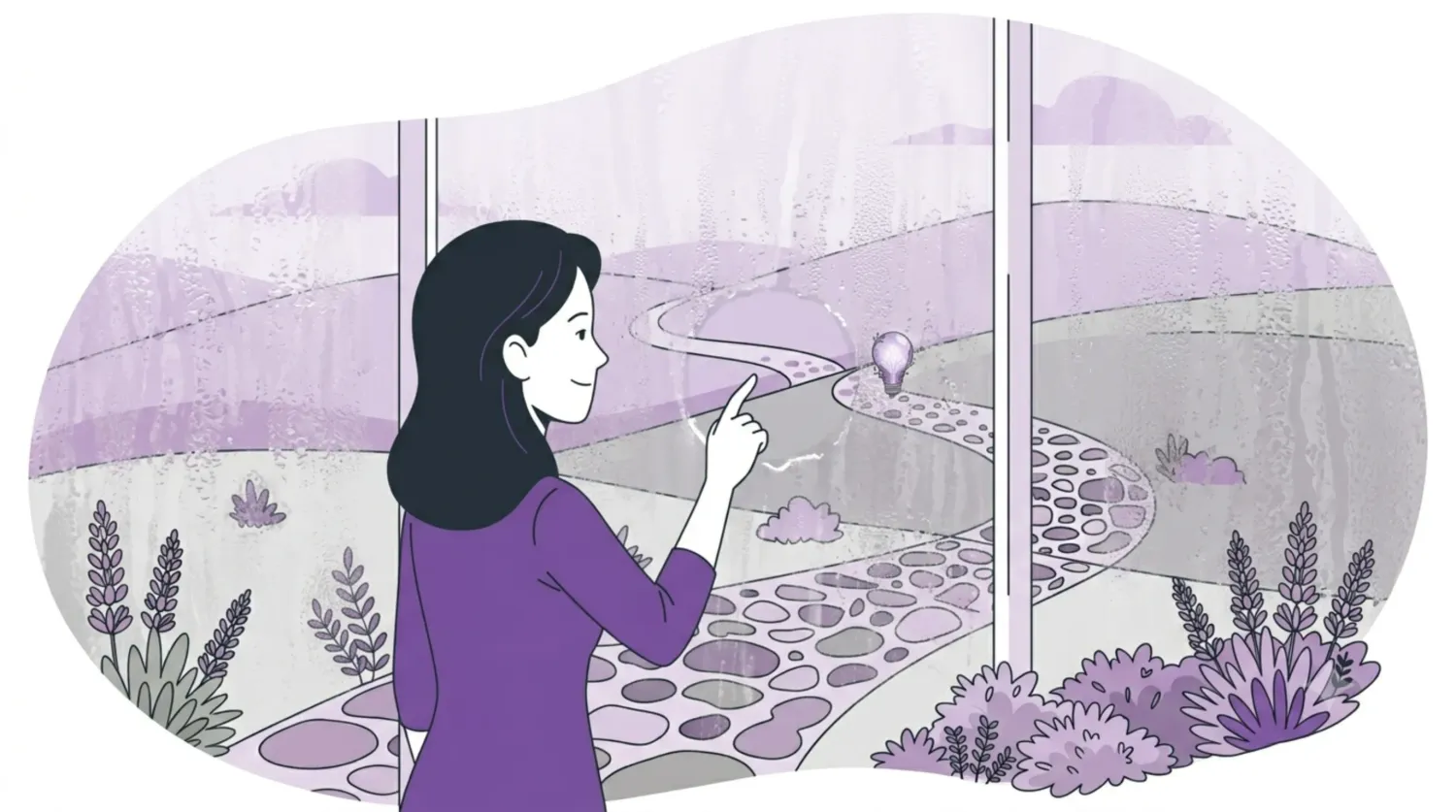
What I Do When This Happens
I never rush you through a frozen moment. If you stop, hesitate, or need a second, we take that second. There's no clock running against you, and no invisible scorecard.
Usually, the most helpful thing is simply naming it out loud, gently: "That's okay — take your time," or "No rush, when you're ready." Removing any implied pressure to respond instantly is often enough to let the moment pass on its own.
If it's a recurring spot — the same junction, the same manoeuvre — we'll go back to it deliberately, at a quieter time, without an audience of other traffic. Familiarity is what dissolves this kind of freeze, not force of will.
Why This Isn't a Setback
It can feel, in the moment, like proof that you're behind, or not cut out for this. It isn't. Every driver — including ones who passed their test years ago and drive confidently every day — has had moments exactly like this while learning. It's simply part of how new, high-stakes skills get built.
The nervous system needs repeated, low-pressure exposure before it stops treating ordinary driving situations as a threat.
What matters isn't whether the freeze happens. It's what happens afterwards. Learners who keep showing up, keep practising the same tricky spot without giving up on it, are the ones who build lasting confidence — regardless of how many blank moments came before it.
A Different Way to Measure Progress
Instead of judging a lesson by whether everything went smoothly, it can help to judge it by a different question: did today feel slightly less overwhelming than the version of this a few weeks ago? That's usually a more honest measure of progress than a single lesson where nerves happened to spike.
Roundabouts that once caused total freeze often become entirely unremarkable after enough calm, repeated exposure. The same is true of busy junctions, reversing manoeuvres, and pulling out into traffic. The freeze fades — not through willpower, but through familiarity.
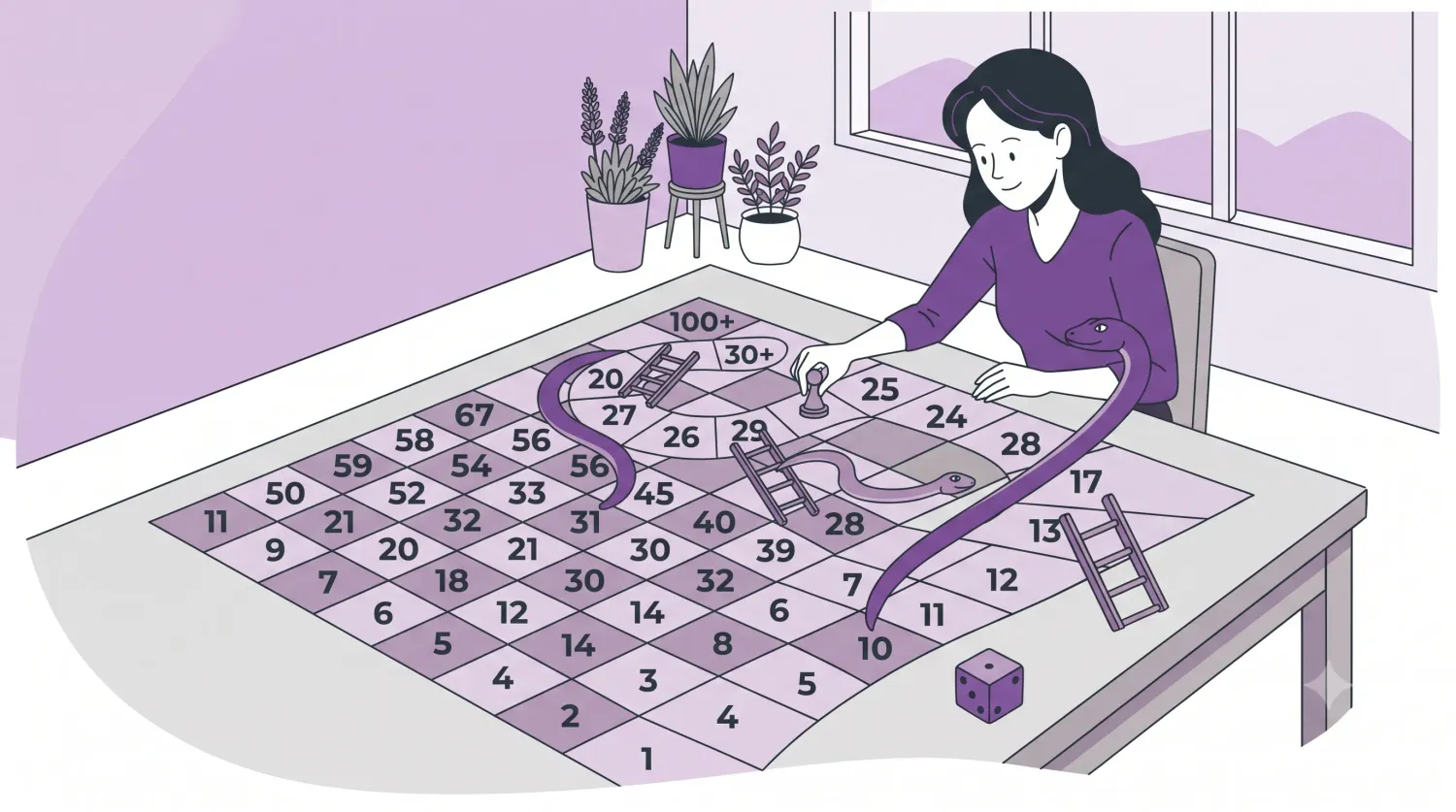
You're Not Starting From Zero Each Time
If you've had a lesson where you froze, forgot something obvious, or felt like you'd gone backwards, it doesn't erase what came before it. Skill and confidence build cumulatively, even when a single lesson feels like a stumble rather than a step forward.
If you'd like a practical technique to help in the moment, rather than just understanding why it happens, I've written about a simple grounding exercise a lot of my nervous learners find useful: Finding Your Zen on the Road.
If any of this sounds familiar and you'd like to talk about it before booking, feel free to get in touch. No pressure, no obligation — just a conversation about what feels right for you.
Recent Posts
Subscribe now
If you'd like our newest guides and local road updates sent directly to you, please enter your details in the form to subscribe.
BLOG CATEGORIES
WHY CHOOSE US
Steve Paddy Driving School provides professional, patient automatic driving lessons across Chester, Ellesmere Port, and the surrounding areas. We specialise in helping nervous and anxious learners build lasting confidence by delivering a stress-free, supportive journey to real driving freedom.
Created with systeme.io | © Steve Paddy 2026 All Rights Reserved | Privacy policy | Cookie Policy | Terms & Conditions