
Choosing the Right Approved Driving Instructor (ADI) for a Nervous Learner
If you're researching instructors on behalf of a nervous learner, you've probably noticed that most driving school websites say roughly the same things — patient, friendly, experienced. That makes it genuinely hard to tell who's actually well-suited to teaching an anxious learner, versus who's simply using the right words on their homepage.
Here's what I'd actually suggest looking for, some of it practical and easy to verify, some of it a little harder to judge until you've had a first conversation or lesson.
Start With the Basics: Are They Actually Qualified?
This is the easiest thing to check and the most important. Every legally qualified instructor is either a fully Approved Driving Instructor (ADI), shown by a green badge displayed in the windscreen, or a trainee (PDI), shown by a pink badge, who is allowed to teach under specific conditions while still working toward full qualification.
You can also check an instructor's status directly using the DVSA's official "find a driving instructor" tool, or simply ask them for their ADI number and confirm it yourself. A legitimate instructor will never be uncomfortable being asked this.
Ask About Their Most Recent Standards Check
Every ADI is periodically assessed through a standards check, roughly every four years, which results in a grade of A, B, or, if performance falls short, a fail requiring corrective steps. This isn't the old 1–6 grading scale some parents might remember from years ago — the system was simplified, and it's completely reasonable to ask an instructor directly what their most recent result was. Some publish it voluntarily; if they haven't, that alone doesn't mean anything negative, since publishing it is optional, but it's a fair, ordinary question to ask.
Look Past "Patient" and Ask How, Specifically
Almost every driving school will describe itself as patient. What's more useful is asking how that patience actually shows up in a lesson. A few good questions to ask directly:
❖ "What happens if my learner freezes or panics mid-lesson?"
❖ "How do you decide when someone's ready to try something new, versus needing more time on the basics?"
❖ "Do lessons always start in a busy area, or do you build up to it?"
A genuinely experienced instructor will have clear, specific answers to these, rather than a vague reassurance. Vague answers to specific questions are often a sign the patience is more of a marketing word than a practiced method.
Consider the Car Itself
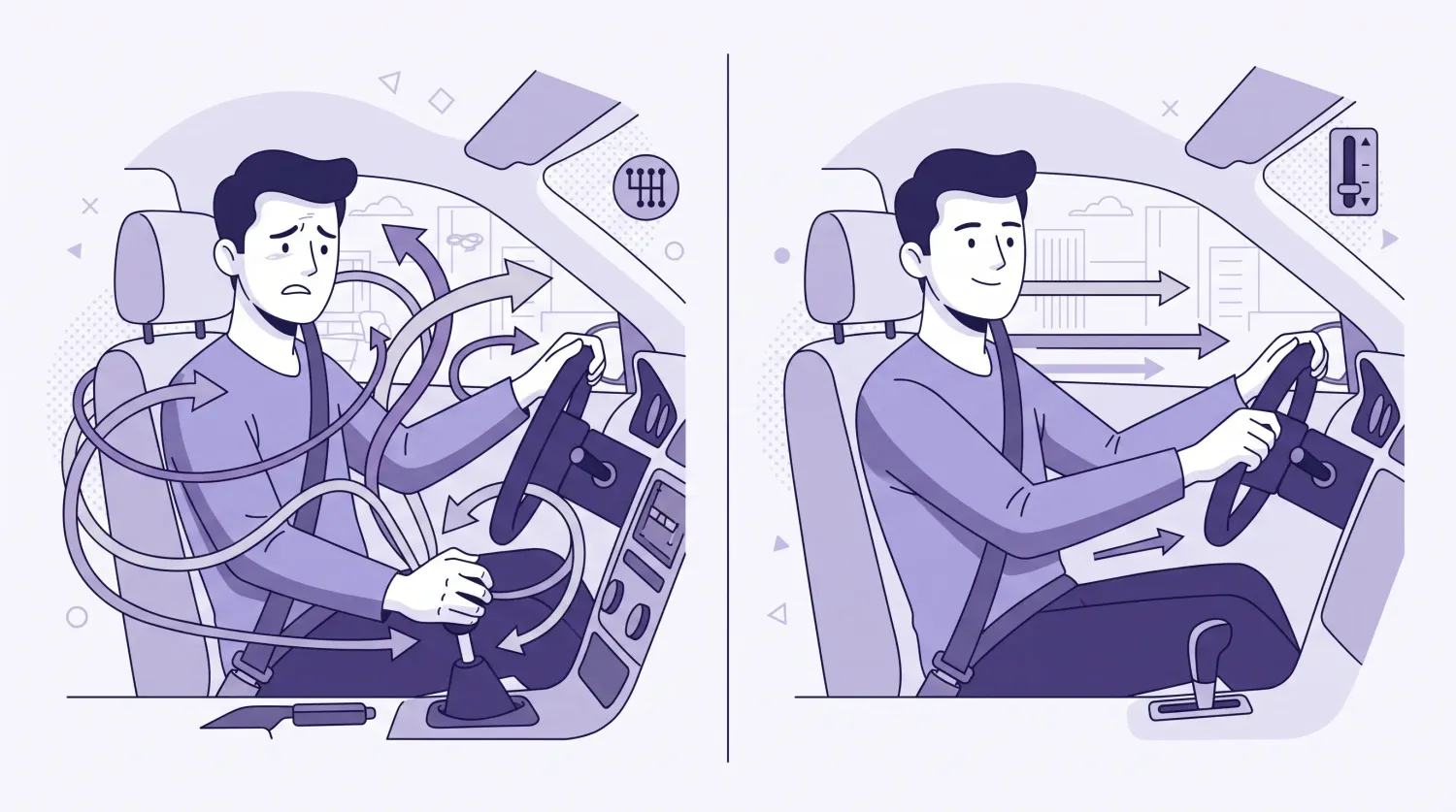
For a nervous learner specifically, the car matters more than it might for a more confident one. An automatic removes a significant layer of physical multitasking — no clutch control, no gear changes to coordinate alongside everything else — which can make a genuine difference to how overwhelming those first few lessons feel. If your learner is particularly anxious, it's worth directly asking whether lessons happen in an automatic or manual car, and factoring that into your decision rather than assuming it doesn't matter much.
Read Reviews for Specifics, Not Just Star Ratings
A high star rating tells you very little on its own. It's worth actually reading a handful of reviews looking for mentions of nervousness, anxiety, or a slow, patient build-up specifically — rather than only general praise like "great instructor, passed first time." Reviews that describe a process (starting quiet, building up gradually, not rushing manoeuvres) tell you far more about fit for an anxious learner than reviews that only describe the outcome.
Ask About the First Lesson Specifically
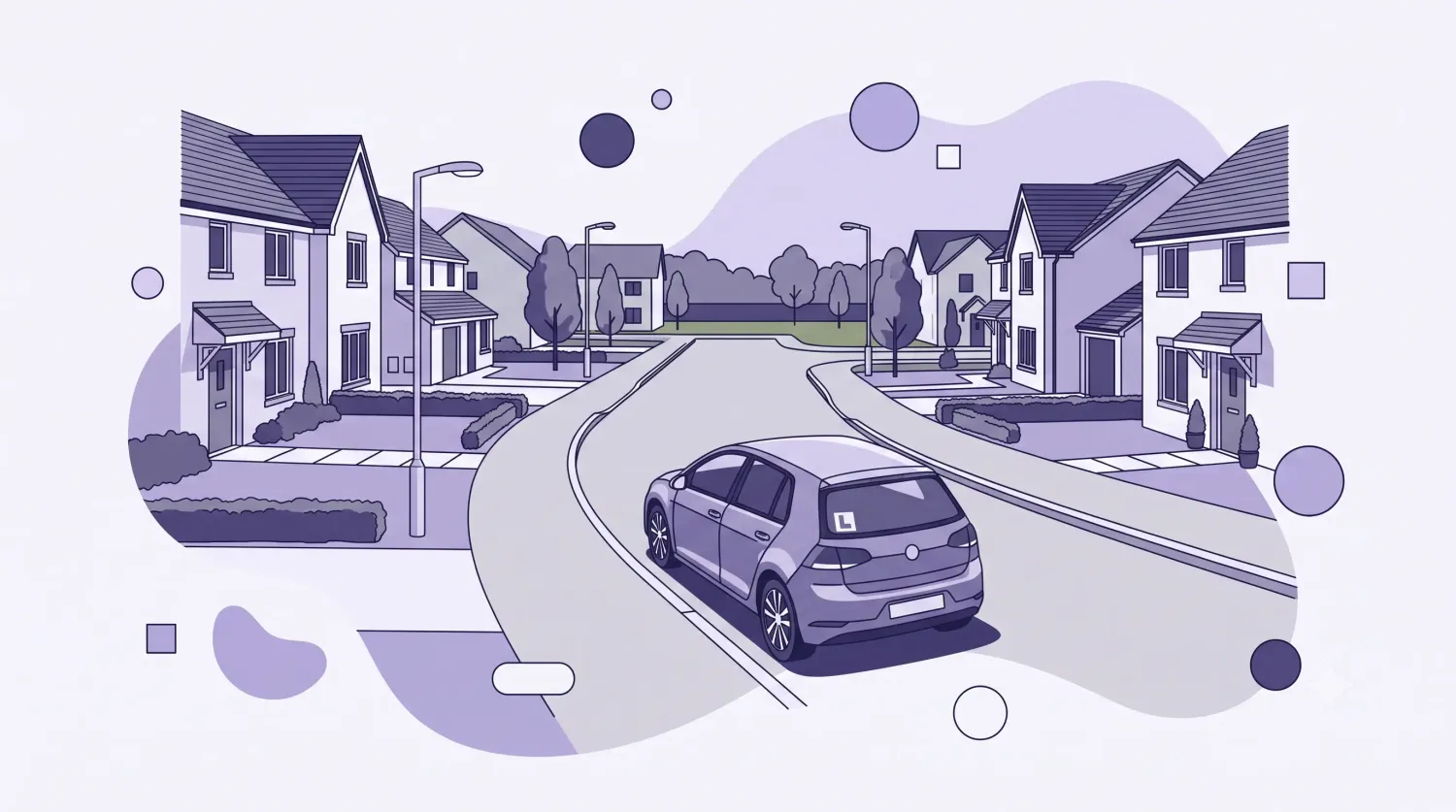
How an instructor structures a first lesson tells you a lot about their overall approach. For a nervous learner, you want to hear that the first session starts somewhere quiet and low-pressure, with time spent getting comfortable with the car before any actual driving happens — not a instructor who treats lesson one as identical to lesson twenty. If an instructor can't describe their first-lesson approach clearly and specifically, that's worth noting.
Trust the Trial Lesson, Not Just the Sales Pitch
Many instructors offer an introductory or trial lesson, and it's genuinely one of the most useful things you can do before committing to a longer block. What matters here isn't just whether your learner enjoyed it, but specifically how they felt afterwards — calmer or more anxious than before it started, and whether the instructor's manner in person matched what was promised beforehand.
Price Transparency Matters More Than It Seems
Beyond simple affordability, how clearly an instructor communicates pricing says something about how they'll communicate generally. Hidden fees, unclear block-booking terms, or vague answers about cost are a reasonable early warning sign — not necessarily of dishonesty, but of the kind of unclear communication that can add unnecessary stress to an already nervous learner's experience.
Ultimately, Fit Matters More Than Credentials Alone
Qualifications and standards checks tell you an instructor meets a baseline of competence — they don't tell you whether their specific manner will suit your specific learner. Some perfectly good instructors have a brisker, more direct style that suits confident learners well but doesn't land as well for an anxious one. It's genuinely fine to try a lesson, decide it isn't quite the right fit, and look elsewhere — that's a sensible, considered decision, not a wasted effort.
What This Looks Like With Me
I'm always happy to answer any of the questions above directly and honestly, including my standards check result, my approach to first lessons, and how I handle moments when a learner feels overwhelmed.
And if it's your learner's anxiety itself that's the real sticking point, rather than any particular instructor or approach, it's worth reading this — it's often the first thing I share with new nervous learners and their parents alike: Why Feeling Anxious About Driving Doesn't Mean You Can't Learn.
If you'd like to talk through whether I'd be a good fit for your specific learner before committing to anything, feel free to get in touch. No pressure, no obligation. Just a conversation about what feels right for you both.
Recent Posts
Subscribe now
If you'd like our newest guides and local road updates sent directly to you, please enter your details in the form to subscribe.
BLOG CATEGORIES
WHY CHOOSE US
Steve Paddy Driving School provides professional, patient automatic driving lessons across Chester, Ellesmere Port, and the surrounding areas. We specialise in helping nervous and anxious learners build lasting confidence by delivering a stress-free, supportive journey to real driving freedom.
Created with systeme.io | © Steve Paddy 2026 All Rights Reserved | Privacy policy | Cookie Policy | Terms & Conditions