
Learner Driver Insurance Clearly Explained (Without all the Jargon)
Insurance is one of those topics that can turn a straightforward conversation about learning to drive into a maze of unfamiliar terms — named drivers, no claims bonuses, fronting, standalone cover. None of it needs to be confusing, so let's go through it calmly, in plain English.
The Good News: Lessons With Me Are Already Covered
If your only driving so far has been in lessons with me, you don't need to think about any of this yet. My car is fully insured for teaching learners, so that side of things is entirely taken care of. This post is really for when you or your family are considering private practice in a personal car, alongside your lessons — which, as I've written about separately, is genuinely valuable once you're ready for it.
Your Two Main Options
If you want to practise in a family member's or friend's car, there are essentially two routes:
❖ Option 1: Be added as a named driver on their existing policy.
This means you're added to someone else's insurance, and you're covered to drive their car while they supervise you. It's sometimes the cheaper option upfront, but there's an important catch: if you're involved in an accident while driving as a named driver, it affects the car owner's no claims bonus, not just yours — potentially pushing up their premium for years afterwards, regardless of whether you have your own insurance later.
❖ Option 2: Take out a standalone learner driver insurance policy.
This is a separate policy, in your name, that lets you practise in someone else's car without touching their existing insurance at all. If something does go wrong, it's your policy that's affected, not theirs. Most families find this gives real peace of mind, especially if the car being used is someone's main daily vehicle.
What "No Claims Bonus" Actually Means, Simply
A no claims bonus is essentially a discount that builds up the longer someone goes without making an insurance claim. It can take years to build and can meaningfully lower someone's premium. This is exactly why standalone learner insurance appeals to a lot of families — it protects that discount rather than putting it at risk during the learning period.

How Much Does Learner Insurance Actually Cost?
Costs vary depending on age, location, the car, and how long you need cover for, but as a rough guide in 2026:
Pay-as-you-go or hourly cover: can start from a couple of pounds an hour for very short sessions.
Short-term cover: (a day, a week, or a few weeks) often runs from around £20–£30 a day, though it can be less for longer stretches.
Annual policies: typically cost somewhere in the £200–£400 range, depending on your circumstances.
If you're planning to practise regularly — a couple of times a week, say — an annual or monthly policy usually works out better value than paying for single days repeatedly. If practice will be occasional, short-term or pay-as-you-go cover is often more sensible.
A Word on "Fronting"
You might come across the term "fronting" while researching this. It simply means naming someone other than the main driver as the policyholder to bring the price down — for example, listing a parent as the main driver when it's really the learner using the car most. This is illegal, and can invalidate a policy entirely if discovered, which is a serious problem to have if you're ever unlucky enough to need to make a claim. It's always worth being straightforward about who's actually driving and how often.
What Learner Insurance Won't Cover
Whichever option you go with, there's one restriction that applies regardless: motorway driving. Learner insurance policies, like the legal rules themselves, don't cover motorway practice with a family member or friend. That's only possible with an approved driving instructor, in a car fitted with dual controls.
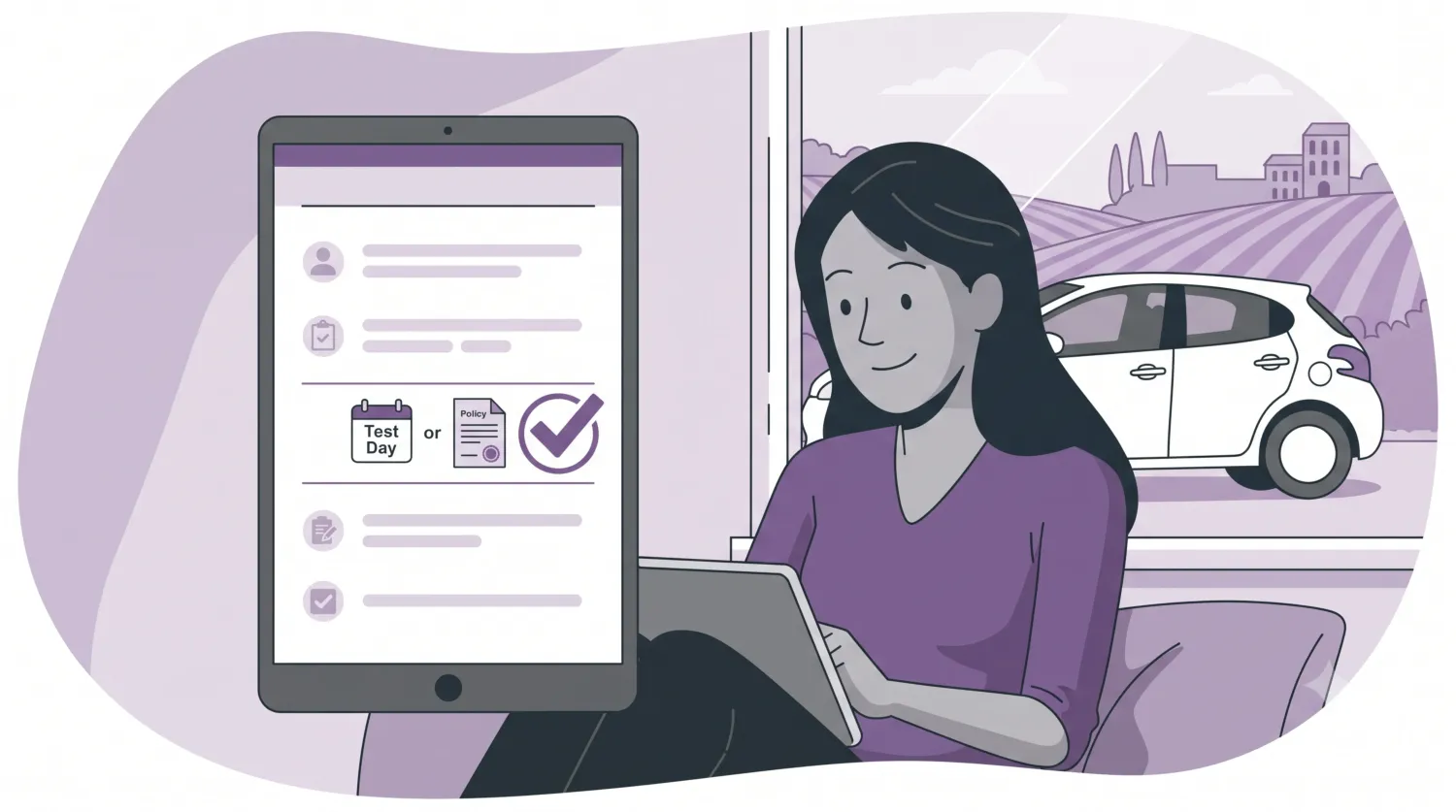
Check It Actually Covers Test Day Itself
This is a detail that catches more families out than you'd expect: not every learner insurance policy automatically covers the practical test, particularly if you're planning to sit the test in a private car rather than mine. Some named-driver arrangements and standalone learner policies simply don't mention test day one way or the other, which can leave you unsure right up until it matters.
Most learners who take their test in my car don't need to think about this at all, since my insurance already covers it as standard. But if you're planning to use a family or friend's car for the test itself, it's worth confirming directly with the insurer, in writing if possible, that the policy specifically covers the practical test — not just general practice. It's a quick phone call or email, and far better to sort weeks in advance than discover an issue on the morning of the test.
What Happens the Moment You Pass
This catches a lot of families out: learner insurance ends the instant you pass your test, not at the end of the day or the following morning. If you're taking your test in a private car under learner insurance, you'll need proper cover as a newly qualified driver arranged and ready to go before you can legally drive home. It's worth sorting this in advance rather than scrambling for it in the test centre car park.
Shopping Around Sensibly
Costs can vary noticeably between providers for what's essentially the same cover, so it's worth comparing a few quotes rather than accepting the first one you find. A few sensible ways to keep costs down include choosing a lower-powered car where possible, being upfront and accurate about how the car will be used, and considering a telematics or "black box" policy if you're comfortable with one, since these can reward careful driving with a lower price over time.
If You're Still Not Sure What You Need
Insurance decisions can feel like a lot to get right on top of everything else involved in learning to drive. Once insurance is sorted, the next thing worth thinking about is how the practice sessions themselves go — it's a bigger factor in progress than most families expect: How to Practise With Your Teen Without It Turning Into an Argument.
If you'd like to talk through what makes sense for your situation, based on how much private practice you're planning and whose car you'll be using, feel free to get in touch. No pressure, no obligation. Just a conversation about what feels right for you.
Recent Posts
Subscribe now
If you'd like our newest guides and local road updates sent directly to you, please enter your details in the form to subscribe.
BLOG CATEGORIES
WHY CHOOSE US
Steve Paddy Driving School provides professional, patient automatic driving lessons across Chester, Ellesmere Port, and the surrounding areas. We specialise in helping nervous and anxious learners build lasting confidence by delivering a stress-free, supportive journey to real driving freedom.
Created with systeme.io | © Steve Paddy 2026 All Rights Reserved | Privacy policy | Cookie Policy | Terms & Conditions