
How to Practise With Your Teenager Without It Turning Into an Argument
If you've tried a practice session with your teenager and it ended with both of you frustrated, or not speaking for the rest of the drive home, you're in very good company. It's one of the most common things parents mention to me — not whether their teenager can drive, but whether the two of them can survive practising together.
The good news is this isn't really about driving skill at all. It's almost always about the dynamic between you, and that's something you can actually shift.
Why This Is Harder Than It Looks
You already have an established relationship with your teenager, built up over years — one that almost certainly doesn't involve you giving them calm, neutral instructions while they're doing something that makes them feel exposed and judged. Suddenly stepping into an instructor role can feel unnatural for both of you, and old patterns tend to creep in fast. A slightly sharp tone that would be nothing between you normally can land completely differently when your teenager is gripping a steering wheel, feeling nervous, and highly sensitive to any hint of criticism.
Meanwhile, teenagers are often more self-conscious in front of a parent than they would be with a stranger, precisely because your opinion matters more to them than an instructor's does. That combination — old family patterns plus heightened sensitivity — is exactly what turns small moments into arguments.
Start With a Conversation, Not a Drive
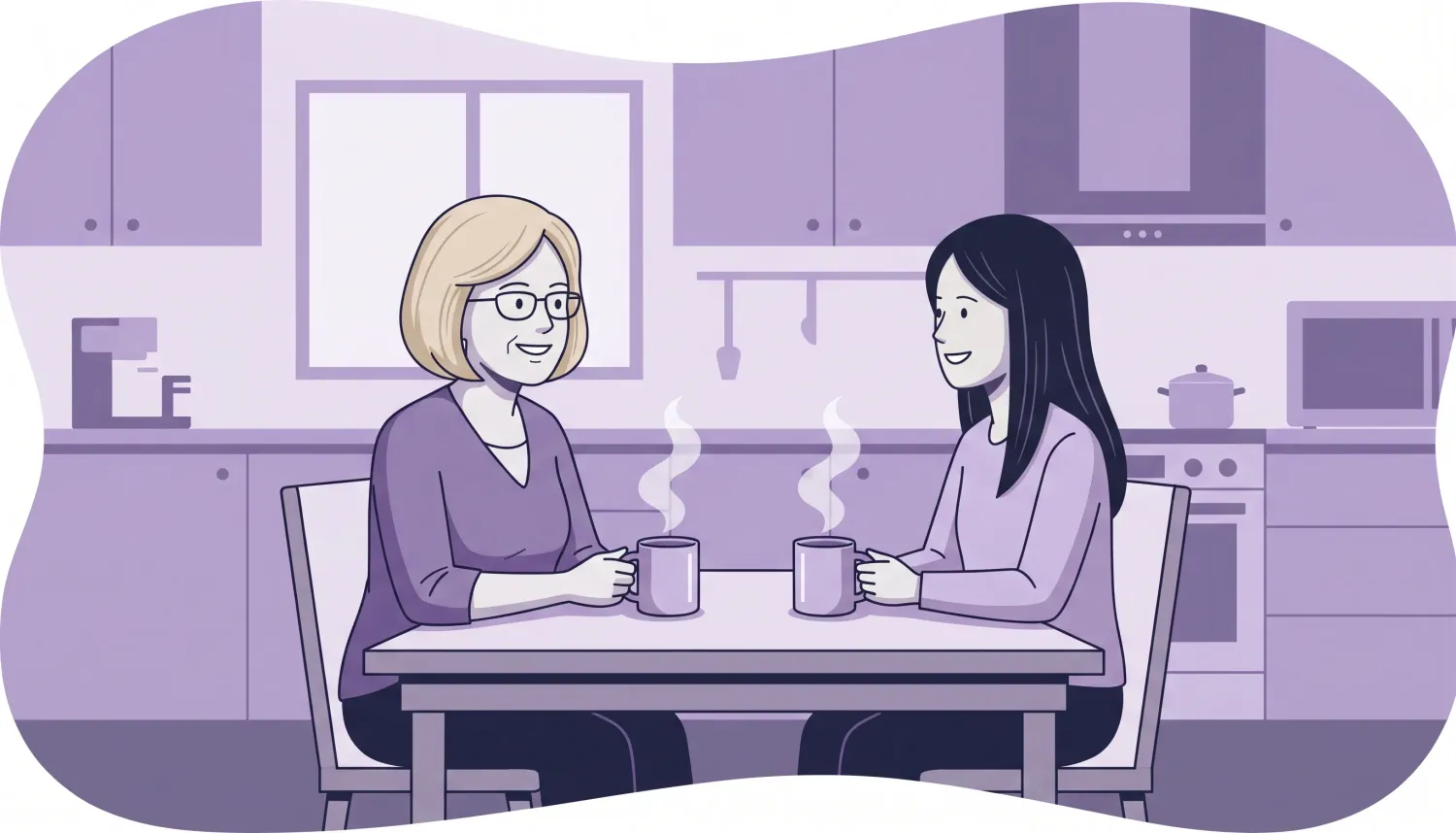
Before your first practice session, it's worth having a short, calm conversation about how you'll both handle it — ideally not in the car, and not five minutes before you're about to set off. A few useful things to agree in advance:
❖ How feedback will be given.
Would your teenager prefer instructions given calmly in the moment, or would they rather you waited until you'd stopped somewhere safe to talk something through? Different people genuinely prefer different approaches, and asking rather than assuming avoids a lot of friction.
❖ A signal for "I need a minute."
Sometimes a learner needs space to concentrate without commentary. Agreeing on a simple phrase or signal for "please stop talking for a moment" in advance means it doesn't feel like a rejection when it's used.
❖ That mistakes are expected, not a big deal.
It sounds obvious, but saying it out loud, before you're both in the car, sets a very different tone than saying it after something's already gone wrong.
Keep Your Own Nerves in Check
It's worth being honest with yourself here: a lot of parental tension during practice comes from the parent's own nerves, not the teenager's driving. Gripping the door handle, gasping, or a sharp intake of breath communicates alarm just as loudly as words do — often more so. If you're feeling anxious yourself, it helps enormously to consciously keep your voice level and your body language calm, even if your instinct says otherwise.
If you notice you're becoming tense or short-tempered during a session, that's a sign to pause, not push through. Ending a session early on reasonably good terms is far better for both of you than grinding through a stressful last twenty minutes to "finish what you started."
Choose the Right Moments
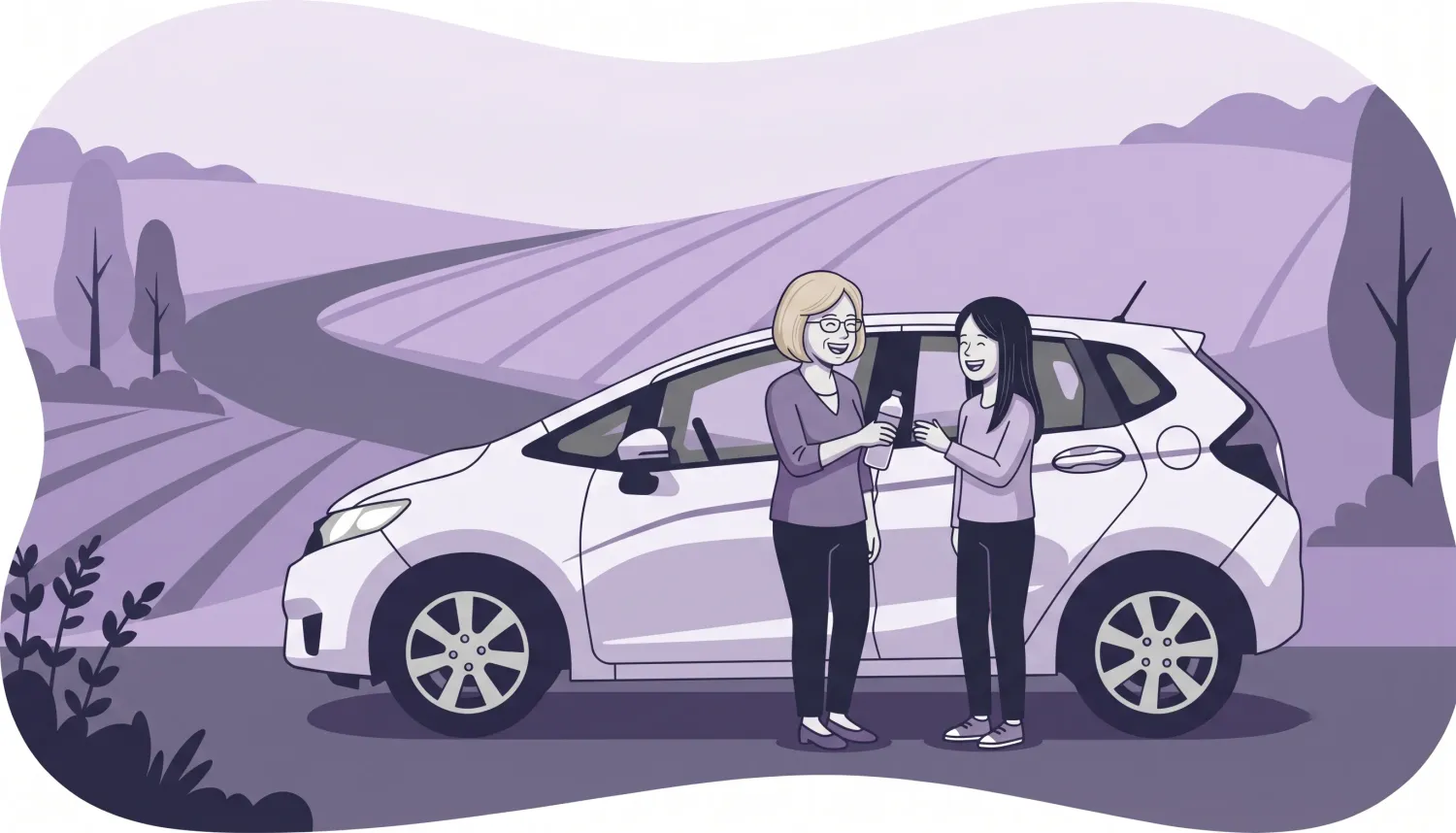
Practice sessions tend to go far better when neither of you is already stressed, tired, or in a rush beforehand. Trying to fit in practice right before school, after a long day, or when either of you is preoccupied with something else rarely goes well. A calmer window — a weekend morning, or after a relaxed evening — tends to give you both more patience to draw on.
Starting somewhere quiet and familiar, especially in the early sessions, also takes pressure off both of you. Save the more challenging roads for once you're both more comfortable together.
Give Specific, Neutral Feedback
Vague criticism ("you're not concentrating") tends to land as a character judgement, which is exactly what triggers defensiveness. Specific, neutral observations work far better: "You're drifting a little toward the kerb on this stretch" is much easier to hear than "you're not paying attention."
It also helps enormously to notice and mention what's going well, not just what needs adjusting. A teenager who only ever hears correction understandably starts to dread getting in the car with you at all.
When to Step Back and Let Lessons Do the Heavy Lifting
Private practice works best as a supplement to lessons, not a replacement for the more technical or emotionally charged parts of learning. If a particular skill or road keeps causing tension between you — a certain junction, a manoeuvre, motorway-adjacent nerves — it's completely reasonable to say, "let's leave that one for your next lesson with Steve," rather than trying to push through it together.
There's no shame in recognising that some things are simply easier to learn from someone who isn't your parent. I'd genuinely rather you preserved a good relationship in the passenger seat than forced through every skill privately out of principle.
If a Session Has Already Gone Badly
If you've had a practice session end in an argument, it doesn't need to derail everything going forward. A short, honest conversation afterwards — once everyone's calmer — usually helps more than either ignoring it or dwelling on it. Something as simple as "that got tense, let's try a different approach next time" tends to reset things far better than either pretending it didn't happen or a long post-mortem.
You're Both on the Same Side
However frustrating a session feels in the moment, you and your teenager fundamentally want the same outcome: a calm, confident, safe new driver. Keeping that shared goal in mind, even mid-argument, tends to help both of you find your way back to patience faster.
The practical side of practice sessions is only half the picture, though — how your learner is supported at home between sessions matters just as much: Supporting a Nervous Learner Without Adding Pressure.
If you'd like some guidance on what to focus on during private practice, or want to talk through how a recent session went, feel free to get in touch. No pressure, no obligation. Just a conversation about what feels right for you both.
Recent Posts
Subscribe now
If you'd like our newest guides and local road updates sent directly to you, please enter your details in the form to subscribe.
BLOG CATEGORIES
WHY CHOOSE US
Steve Paddy Driving School provides professional, patient automatic driving lessons across Chester, Ellesmere Port, and the surrounding areas. We specialise in helping nervous and anxious learners build lasting confidence by delivering a stress-free, supportive journey to real driving freedom.
Created with systeme.io | © Steve Paddy 2026 All Rights Reserved | Privacy policy | Cookie Policy | Terms & Conditions