
Supporting a Nervous Learner Without Adding Pressure: A Parent's Guide
Most of what I've written for parents so far has focused on the practical side — private practice, insurance, what happens in the car together. This one's different. It's about everything that happens outside the car: the conversations at the kitchen table, the way progress gets talked about, the small moments that either ease a nervous learner's confidence or quietly chip away at it, usually without anyone meaning to.
If your teenager or partner is an anxious learner, how they're supported at home matters just as much as anything that happens during a lesson.
Notice What "Helpful" Comments Can Actually Land As
Most unhelpful comments come from people who care and are genuinely trying to encourage. But a few common ones tend to land differently than intended for a nervous learner:
❖ "You'll be fine, don't worry about it."
This often reads as dismissive rather than reassuring, even when it's meant kindly — it can suggest the worry itself is silly or unwarranted, rather than acknowledging that it's real and valid.
❖ "It's not that hard."
This can feel like a judgement on why they're finding it hard, rather than the encouragement it's intended as.
❖ Comparisons to how easily someone else learned
A sibling, a friend, even a parent's own experience tends to increase pressure rather than motivation, since it frames the nervous learner's pace as a shortfall rather than simply their own pace.
None of this means you need to walk on eggshells. It just helps to lean toward comments that acknowledge the difficulty honestly, rather than ones that minimise it, however good the intention behind them.
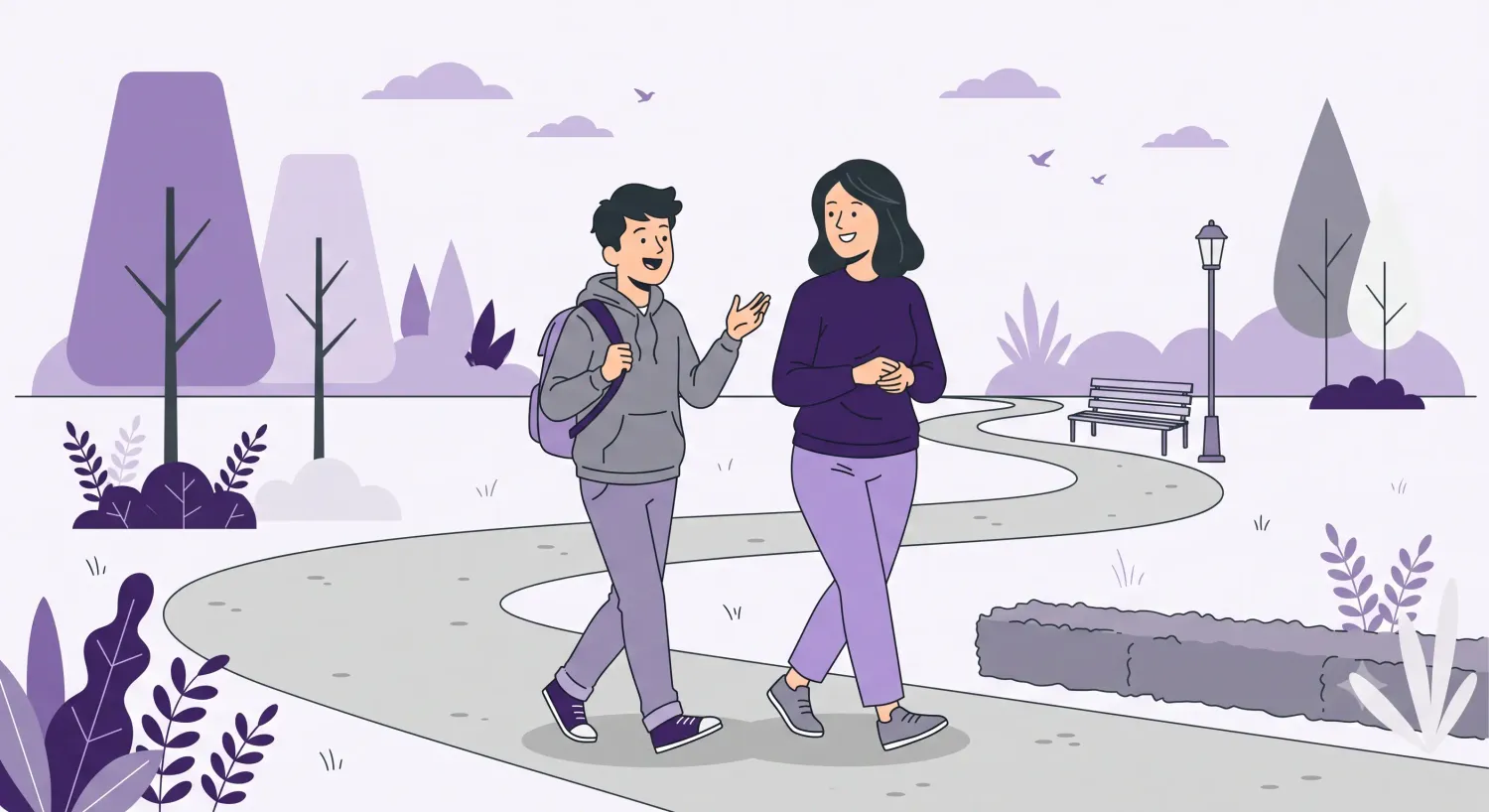
What Actually Helps: Specific, Not Vague
Vague encouragement ("you're doing great!") is pleasant but doesn't give a nervous learner much to actually hold onto.
Specific acknowledgement tends to land better and feel more genuine: noticing that they handled a particular roundabout more calmly than last week, or that they didn't need reminding about mirrors as often as before.
Specific praise is harder to dismiss internally as empty positivity, which is exactly what anxious minds tend to do with general reassurance.
It's also worth resisting the urge to immediately reframe a bad lesson into a positive. If they come home frustrated after a difficult session, the most useful thing is often simply acknowledging that — "that sounds like a tough one" — before moving on to something encouraging. Jumping straight to silver linings can feel like their frustration isn't being taken seriously.
How to Respond When They Come Home Discouraged
It's genuinely common for a learner to come home after a hard lesson and say something like "I'm never going to get this" or "I think I'm just bad at driving." The instinct is often to counter this immediately with reassurance, but a more effective first response is usually just listening, without rushing to fix the feeling.
Once they've had a moment to say what happened, it can help to gently separate the feeling from the facts: one difficult lesson genuinely doesn't predict how capable a driver someone will become, and it's worth saying that plainly, rather than assuming they already know it. I hear this same discouragement from nervous learners fairly often, and it almost never matches how they're actually progressing.
Progress Isn't Always Visible Week to Week
Confidence tends to build in a way that's hard to see from inside the process, especially for the learner themselves. A useful thing a parent can genuinely offer is a bit of outside perspective — gently pointing out how something that used to cause visible stress a few months ago doesn't seem to anymore, even if newer challenges are now taking its place. This kind of long-view reassurance is something an anxious learner often can't give themselves in the moment, since they're usually comparing today to yesterday, not to three months ago.
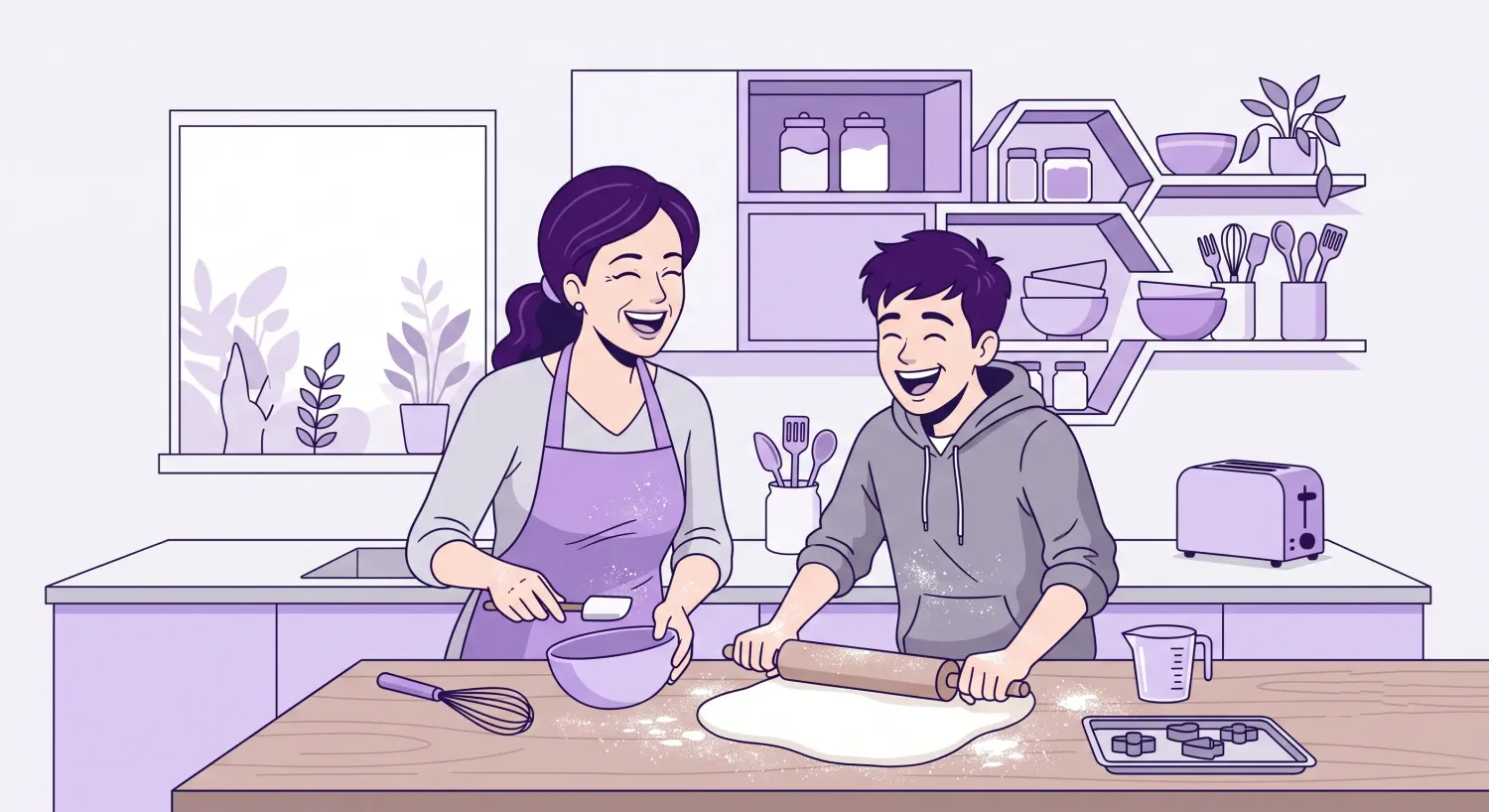
Avoid Turning Driving Into a Constant Topic
It's natural to want to check in regularly, especially if you're paying for lessons or coordinating logistics. But for some anxious learners, driving becoming a frequent topic of conversation — at every dinner, from every relative — starts to feel like constant scrutiny rather than support, even when nobody intends it that way. It's worth occasionally checking whether they'd like space from the topic outside of lessons and practice itself, rather than assuming more conversation is always welcome.
You Don't Need to Fix the Anxiety Yourself
It's worth saying plainly: it's not your job as a parent to single-handedly resolve your teenager's driving anxiety, and trying to can sometimes add pressure rather than relieve it. Your role is really about creating a calm, non-judgemental environment around the process — the actual skill-building and confidence work happens gradually, through lessons and practice, not through any single conversation at home.
If your teenager's nerves ever seem to be affecting them well beyond driving itself, or feel like more than ordinary learning anxiety, that's worth a conversation with your GP or a relevant professional — not something to expect a driving instructor to address.
A Quiet, Steady Kind of Support
The most useful thing most parents can offer isn't a specific piece of advice or a clever motivational speech — it's simply a steady, unpressured presence around the whole process. Acknowledging the hard days honestly, noticing real progress specifically, and letting the topic breathe when it needs to, tends to help more than any well-meant pep talk.
If, despite getting the home environment right, a particular skill or fear still isn't shifting, that's worth recognising too — it doesn't mean anything's gone wrong: When to Let a Professional Take Over.
If you'd like to talk through how to support your learner at home, or want a bit of guidance on where they currently are in their progress, feel free to get in touch. No pressure, no obligation. Just a conversation about what feels right for you both.
Recent Posts
Subscribe now
If you'd like our newest guides and local road updates sent directly to you, please enter your details in the form to subscribe.
BLOG CATEGORIES
WHY CHOOSE US
Steve Paddy Driving School provides professional, patient automatic driving lessons across Chester, Ellesmere Port, and the surrounding areas. We specialise in helping nervous and anxious learners build lasting confidence by delivering a stress-free, supportive journey to real driving freedom.
Created with systeme.io | © Steve Paddy 2026 All Rights Reserved | Privacy policy | Cookie Policy | Terms & Conditions