
Returning to Driving After a Break or Bad Experience: A Gentle Way Back
Some of the bravest people I teach aren't beginners. They're drivers who already have a full licence, who've driven before, and who've stopped — sometimes for years — because something happened that shook their confidence badly enough to keep them off the road.
If that's you, I want to say something first: coming back is not starting over. It's picking up something you already built that's simply been buried under fear for a while. That distinction matters more than it might seem.
What Brings People Back to the Wheel
There's no single story here. Over the years, I've welcomed back full-licence holders after:
A crash or near-miss, even a minor one, that left a lasting fright.
A long gap from driving — years, sometimes decades — after moving somewhere they didn't need a car, or relying on a partner to drive.
A stressful experience on a motorway, roundabout, or busy road that turned into a lasting avoidance.
A big life change, like moving to a busier area such as Chester, where the driving feels nothing like what they were used to.
Simply losing confidence gradually, with no single dramatic moment behind it.
Whatever brought you to this point, you're in familiar company. This is one of the most common reasons full-licence holders come to me, not a rare or unusual one.
Why It Feels Harder Than Being a Complete Beginner
This might sound strange, but returning drivers often find it harder, emotionally, than starting from scratch. There's an expectation — from themselves, sometimes from people around them — that because they already passed a test once, they should simply be able to get back in and drive. When that doesn't happen instantly, it can feel like a personal failing rather than a completely normal response to time away and, often, a frightening experience.
You're not meant to simply switch confidence back on. It has to be rebuilt, gradually, the same way it was built the first time — just from a different starting point.
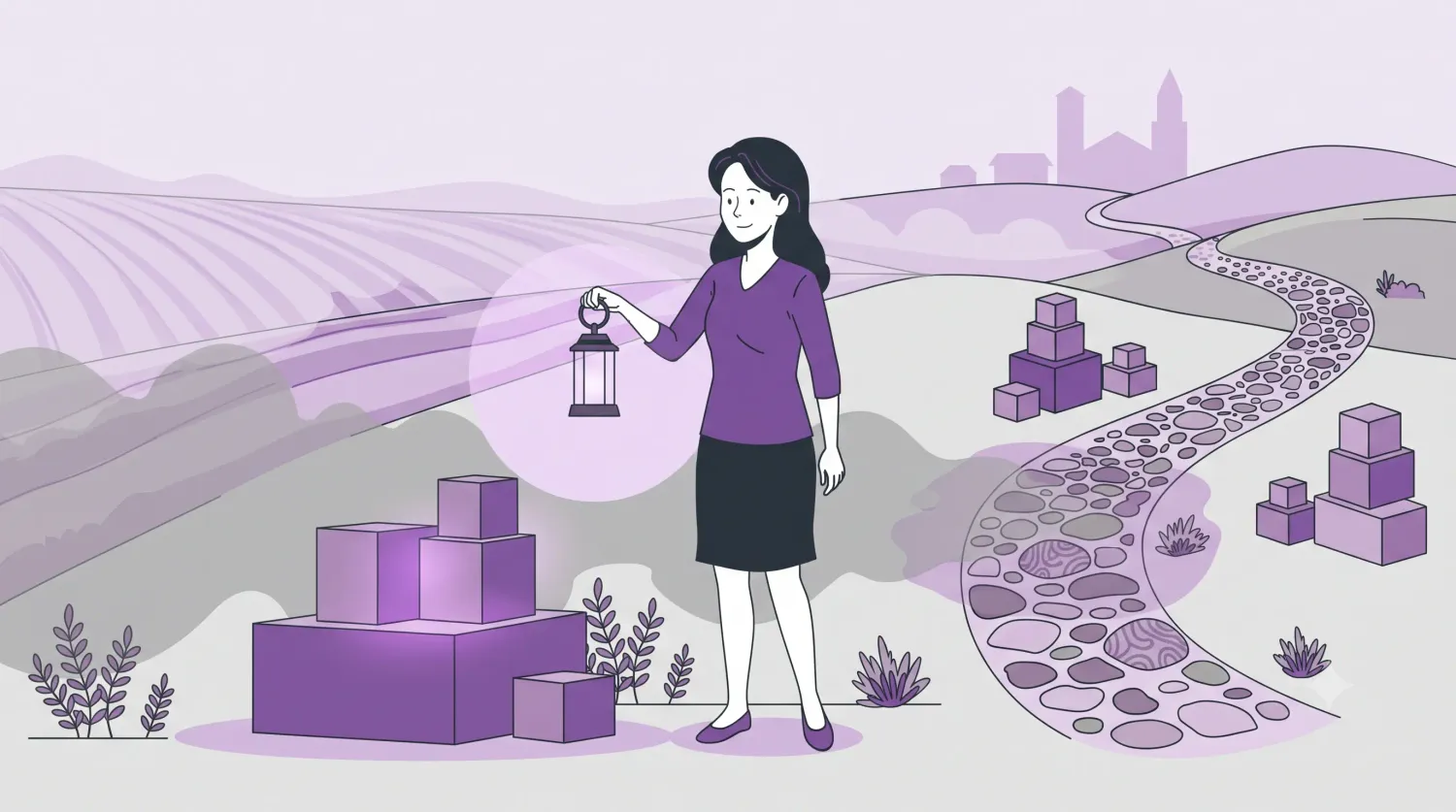
There's No Fixed Syllabus for Coming Back
This is one of the most important things I can tell you: there's no set programme you're expected to follow. We build a plan entirely around what's actually holding you back, which is different for everyone. That might mean:
❖ Revisiting a specific fear
A roundabout, a junction, a stretch of dual carriageway, or the exact kind of situation involved in whatever knocked your confidence. We go there together, at a quiet time, for as long as it takes to feel ordinary again.
❖ Rebuilding basic comfort first
For some returning drivers, especially after a long gap, it's less about one fear and more about simply feeling at home behind the wheel again — comfortable with the car, the pedals, the general rhythm of driving.
❖ Practising in a calmer environment than before
Learning in the Honda Jazz Hybrid removes some of the physical stress that manual driving adds. For some returning drivers, especially those who learned to drive stressfully the first time, this alone makes a noticeable difference.
What the First Session Back Usually Looks Like
We start wherever feels manageable — sometimes that's a quiet car park, sometimes it's straight onto calm residential roads, depending on how you're feeling that day.
There's no pressure to prove anything or "get back up to speed" quickly. If you need the entire first session just getting reacquainted with steering and pedals before we go anywhere near a junction, that's exactly what we do.
I'll ask what specifically feels difficult, rather than assuming. Two people who've both "lost confidence after a break" can need completely different things — one might be fine on quiet roads but freeze at roundabouts, another might feel shaky the moment there's any traffic at all.

Progress Often Comes Back Faster Than People Expect
Here's some genuinely encouraging news: because you've driven before, the underlying skill is usually still there, even if it doesn't feel that way at first.
Once the fear starts to ease, a lot of returning drivers find their actual driving ability resurfaces more quickly than they anticipated.
The hard part is rarely relearning how to drive — it's rebuilding the confidence to do it without the fear taking over.
You Don't Need to Explain or Justify Why You Stopped
Some returning drivers feel they need to give a full account of what happened before they'll be taken seriously, or worry it sounds like a small thing to have made such a big impact.
It doesn't need to be dramatic to be valid. If something shook your confidence enough that you stopped driving, that's reason enough to want support getting back to it — no further justification needed.
A Calm, Judgement-Free Way Back
Whatever kept you away from driving — however long it's been, however small or serious the reason feels to you — there's a patient way back into the driver's seat. That's genuinely what I'm here for.
If you'll be practising in a family member's car alongside refresher lessons, it's worth knowing where you stand on cover first — I've broken it down in plain English here: Learner Driver Insurance Explained.
If you'd like to talk it through before booking anything, feel free to get in touch. No pressure, no obligation. Just a conversation about what feels right for you.
Recent Posts
Subscribe now
If you'd like our newest guides and local road updates sent directly to you, please enter your details in the form to subscribe.
BLOG CATEGORIES
WHY CHOOSE US
Steve Paddy Driving School provides professional, patient automatic driving lessons across Chester, Ellesmere Port, and the surrounding areas. We specialise in helping nervous and anxious learners build lasting confidence by delivering a stress-free, supportive journey to real driving freedom.
Created with systeme.io | © Steve Paddy 2026 All Rights Reserved | Privacy policy | Cookie Policy | Terms & Conditions