
Supervising Private Practice: The Rules You Actually Need to Know
If you're planning to take your learner out for some extra practice between lessons, first of all — good. Private practice genuinely helps. Learners who get regular time behind the wheel with a trusted family member, on top of professional lessons, tend to arrive at their test with more confidence and a broader range of experience than those relying on lessons alone.
But before you head out, it's worth knowing exactly where you stand legally. None of this is complicated, but getting it wrong can cause real problems for both of you, so let's go through it clearly.
Who's Actually Allowed to Supervise
To legally supervise a learner driver in the UK, you need to:
Be at least 21 years old
Have held a full driving licence for the type of vehicle being used for at least 3 years
Not currently be banned or disqualified from driving
Meet the legal eyesight standard for driving — wearing glasses or contacts if you need them
Not accept any payment whatsoever for supervising, including money for fuel
That last point catches people out more than you'd expect. It's illegal for anyone other than an approved driving instructor to take payment for supervising a learner — even a small contribution toward petrol counts.
It doesn't have to be a parent, either. Any family member or friend who meets these requirements can supervise, which is worth knowing if you'd like to share the practice sessions around.
Insurance Comes First, Always
This is the part I'd urge you not to skip or assume is sorted. Before any private practice happens, the learner needs to be covered by insurance, either:
Added as a named driver on your existing policy, or
Covered by a separate learner driver insurance policy for the specific car being used
Driving without proper insurance is a serious offence for a learner — it can mean an unlimited fine, penalty points, and a driving ban, regardless of how careful the drive itself was. It's always worth checking directly with your insurer before the first practice session, rather than assuming existing cover extends to a learner.
Setting the Car Up Correctly
A few practical things need to be in place before you set off:
L-Plates: front and back, clearly visible — removed again once someone with a full licence is driving.
Valid MOT and Tax: on the vehicle, exactly as with any other drive.
An Additional Rear-View Mirror: for yourself as the supervisor is a sensible addition, so you can properly see behind the car during the session.
What You Need to Do While Supervising
Once you're out on the road, the same rules that apply to the person actually driving apply to you as the supervisor:
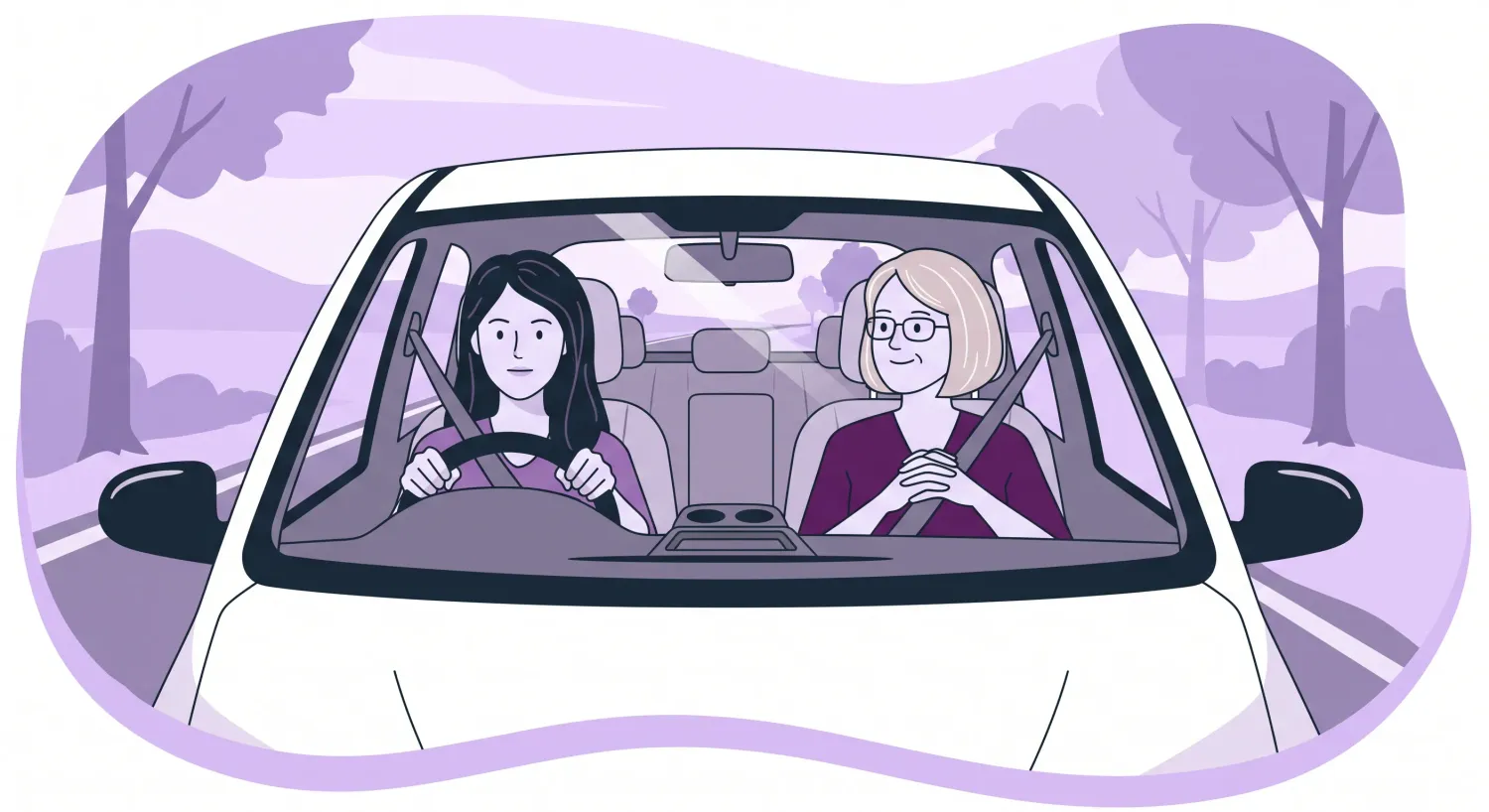
Sit in the front passenger seat throughout
Never hold or use a mobile phone, sat nav, or tablet — even briefly
Never supervise while over the drink-drive limit, or under the influence of drugs or certain medications
Stay alert and focused throughout, since you're legally considered to be in charge of the vehicle even though your learner is driving
It's worth genuinely sitting with that last point for a moment. Legally, you carry real responsibility during these sessions, which is exactly why the age and experience requirements exist in the first place.
Where You Can't Practise
One firm rule: learners cannot drive on motorways during private practice, no matter how confident they are or how comfortable you feel. Motorway driving is only permitted with an approved driving instructor, in a car fitted with dual controls. If motorway experience is something your learner wants before their test, that's a session to book with a professional rather than attempt privately.
Everywhere else — quiet residential streets, A-roads, B-roads, roundabouts, town centres — is fair game, as long as you and the learner both feel ready for it.
Be careful on the A55!
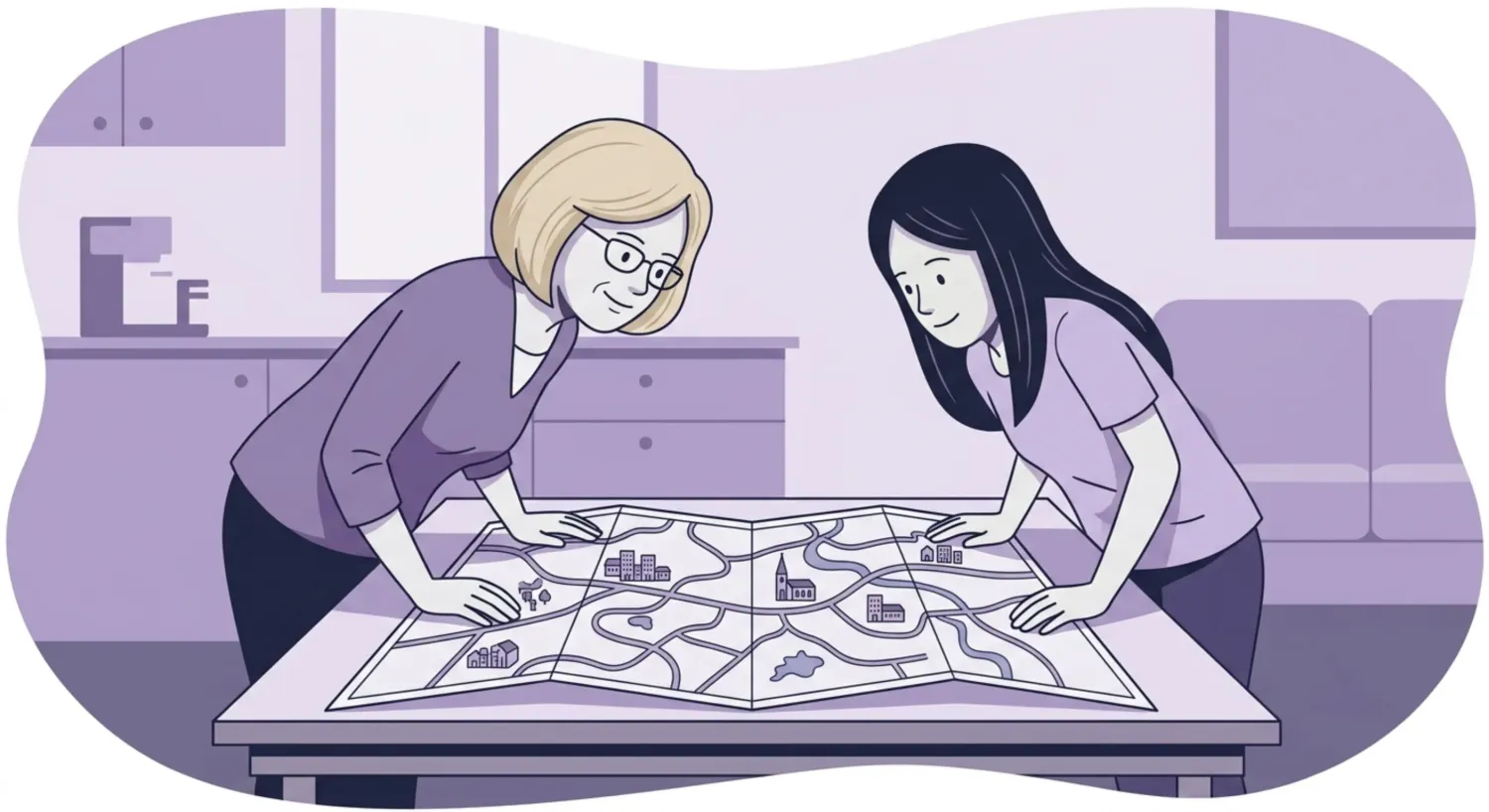
One local catch worth knowing if you're heading toward North Wales: the stretch of the A55 between Llanddulas and Conwy Morfa (roughly Junction 23 to Junction 17) carries the same restrictions as a motorway, even though it isn't signed as one. It was built under special road regulations back in 1990, so learners aren't permitted on it under any circumstances — not even with an ADI. There's little warning as you approach it, and because the road looks like an ordinary dual carriageway rather than a motorway, it's an easy one to drive into without realising. If a practice route takes you anywhere near Colwyn Bay or Conwy, it's worth planning your route around this section in advance rather than discovering it on the day.
A Quick Word on Upcoming Changes
At the time of writing, the government has been consulting on introducing a minimum structured learning period for new drivers, potentially including a set number of supervised hours across different conditions. Nothing has been confirmed yet, and current rules still apply as described above. If anything changes, it's likely that private practice hours will count toward any future requirement, so there's little downside to starting good habits now, such as practising in a range of conditions and keeping loose notes of what you've covered.
Making Practice Sessions Actually Useful
Beyond the legal side, a few things make private practice genuinely productive rather than stressful for either of you:
❖ Talk to me first
I'm always happy to let you know what your learner has covered recently, and what would be most useful to reinforce during private practice — there's no point practising something they haven't been shown yet, or missing an easy win because nobody mentioned it.
❖ Start with what feels manageable
Quiet car parks and residential streets are a sensible place to build initial confidence, even if your learner has already progressed further in lessons.
❖ Keep sessions reasonably short
Concentration fades faster than you'd think, for both of you. An hour or two, a couple of times a week, tends to work far better than one long, tiring session.
❖ Stay calm, even when it's hard
Supervising someone you love learning to drive can be more nerve-racking than driving yourself. If either of you starts feeling frustrated, tired, or tense, it's genuinely fine to call it a day and try again another time.
Working Together
Private practice and professional lessons work best as a team effort rather than two separate things happening in isolation. If you'd ever like to sit in on part of a lesson to see how I approach things, or want a quick chat about what to focus on next, just ask — I'm always glad to help you feel confident in your role too, not just your learner.
Before your first session, it's also worth sorting out insurance properly — I've explained the options in plain English here: Learner Driver Insurance Explained.
If you have any questions about supervising, insurance, or how to make the most of practice time between lessons, feel free to get in touch. No pressure, no obligation. Just a conversation about what feels right for you both.
Recent Posts
Subscribe now
If you'd like our newest guides and local road updates sent directly to you, please enter your details in the form to subscribe.
BLOG CATEGORIES
WHY CHOOSE US
Steve Paddy Driving School provides professional, patient automatic driving lessons across Chester, Ellesmere Port, and the surrounding areas. We specialise in helping nervous and anxious learners build lasting confidence by delivering a stress-free, supportive journey to real driving freedom.
Created with systeme.io | © Steve Paddy 2026 All Rights Reserved | Privacy policy | Cookie Policy | Terms & Conditions