
When to Let a Professional Take Over: Signs Private Practice Isn't Enough
Private practice is genuinely valuable, and I say that as someone whose job it is to teach people to drive professionally. Extra time behind the wheel, in a relaxed setting with someone they trust, helps most learners build confidence faster than lessons alone ever could.
But it isn't a replacement for professional lessons, and there are some clear signs worth watching for that suggest it's time to lean more heavily on lessons with an instructor, at least for a while. None of these mean private practice has failed, or that you've done anything wrong. They just mean a different kind of support would help more right now.
Sign One: The Same Mistake Keeps Repeating, Unresolved
If your learner keeps making the same error, session after session — drifting wide on a particular turn, misjudging a certain gap, forgetting the same check — and neither of you can quite pinpoint why or fix it together, that's a strong signal to bring it to a lesson. Instructors are trained to spot the underlying cause of a repeated mistake, which often isn't the obvious thing it looks like on the surface. What looks like "bad steering" might actually be a mirror check happening too late, or misjudged speed on the approach. Diagnosing that accurately takes a trained eye, not just repetition.
Sign Two: Practice Sessions Are Consistently Tense
If I've learned one thing from years of working alongside private practice, it's that the emotional dynamic between a parent and their learner matters as much as the driving itself. If sessions are regularly ending in frustration, tears, or silence on the drive home, that tension itself can start actively working against progress — a stressed learner doesn't absorb feedback well, however well-intentioned it is.
If this becomes a pattern, it's worth stepping back from practising that particular skill together and letting it happen in lessons instead, at least until confidence is more established. There's no failure in this. Plenty of excellent parents make excellent supervisors for some things and find others go far more smoothly left to someone outside the family.
Sign Three: A Specific Fear Isn't Shifting
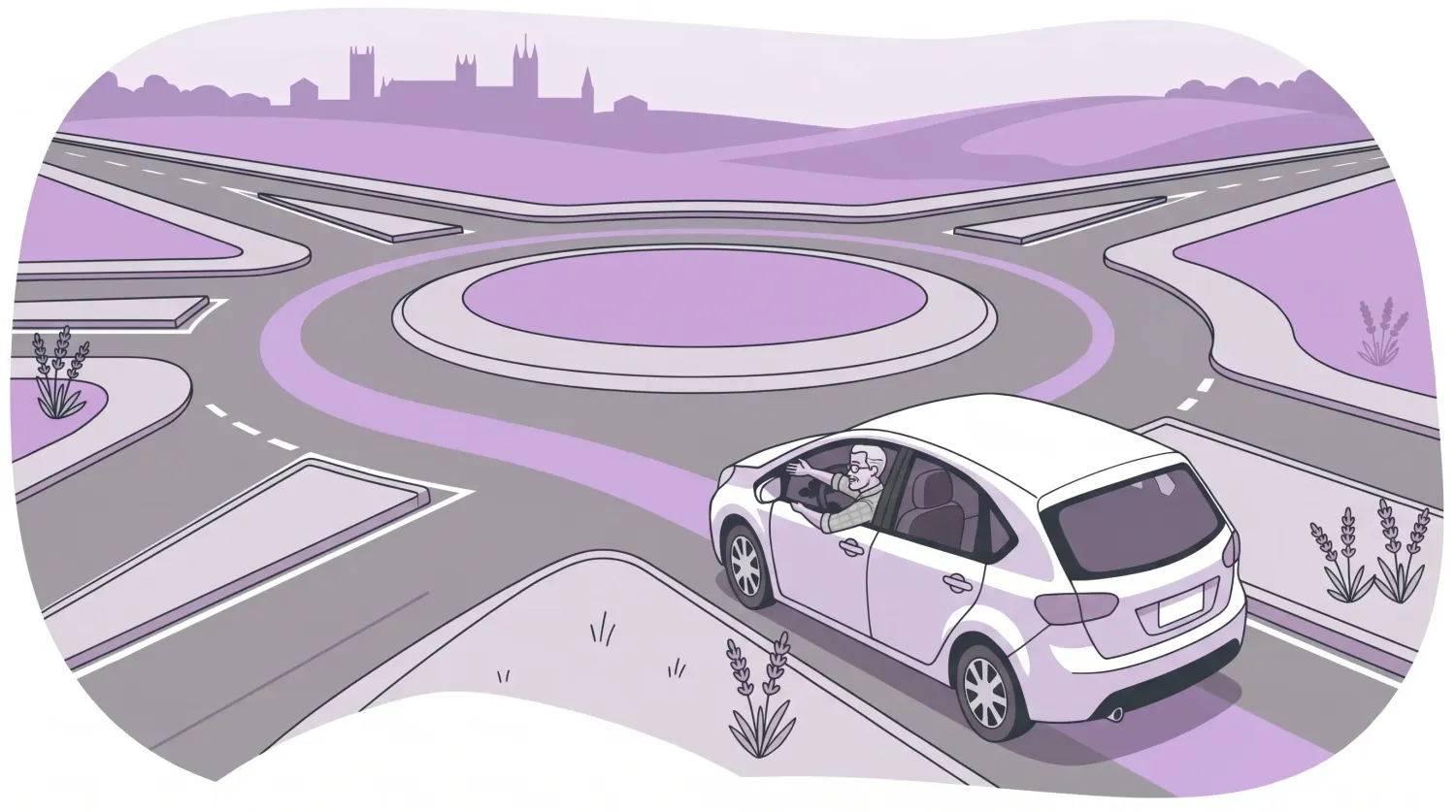
A bit of nervousness around a new or challenging situation is completely normal and usually eases with familiarity. But if a specific fear — a certain roundabout, motorway-adjacent nerves, busy town centre driving — isn't easing at all despite repeated private practice, and seems to be getting worse rather than better, that's worth bringing to me directly.
Sometimes this means the exposure has been happening too fast, without enough smaller steps in between. Sometimes it's simply that the anxiety needs a calmer, more structured approach than casual practice can offer. Either way, a fear that's stuck rather than gradually softening is a sign to change the approach, not push harder at the same one.
Sign Four: You're Not Sure What You're Allowed to Practise
If you find yourself unsure whether something is legally or safely appropriate for private practice — a particular road, a manoeuvre, a specific driving situation — that uncertainty is itself a sign to check with me rather than guess. I'd always rather answer a quick question about what's suitable to practise privately than have you find out the hard way that something wasn't appropriate.
Sign Five: Your Learner Is Approaching Test Standard
As your learner gets closer to test-ready, the specifics of the test itself — the exact manoeuvres examined, the structure of the "show me, tell me" questions, current examiner expectations — matter more precisely than general road confidence. This is squarely instructor territory. I stay current with exactly what examiners are looking for, which isn't always obvious from the outside, and a mock test-style lesson close to the real date is one of the most useful things I can offer at this stage.
Sign Six: You're Simply Not Sure What to Practise Next
Sometimes it's less about a specific problem and more that you're not sure what would actually be useful to practise this week. That's a completely reasonable thing to ask me directly. I'm always glad to suggest a focus for upcoming private practice sessions based on where your learner currently is, so you're not guessing or repeating something they've already mastered.
This Isn't a Sign of Failure — It's Good Judgement
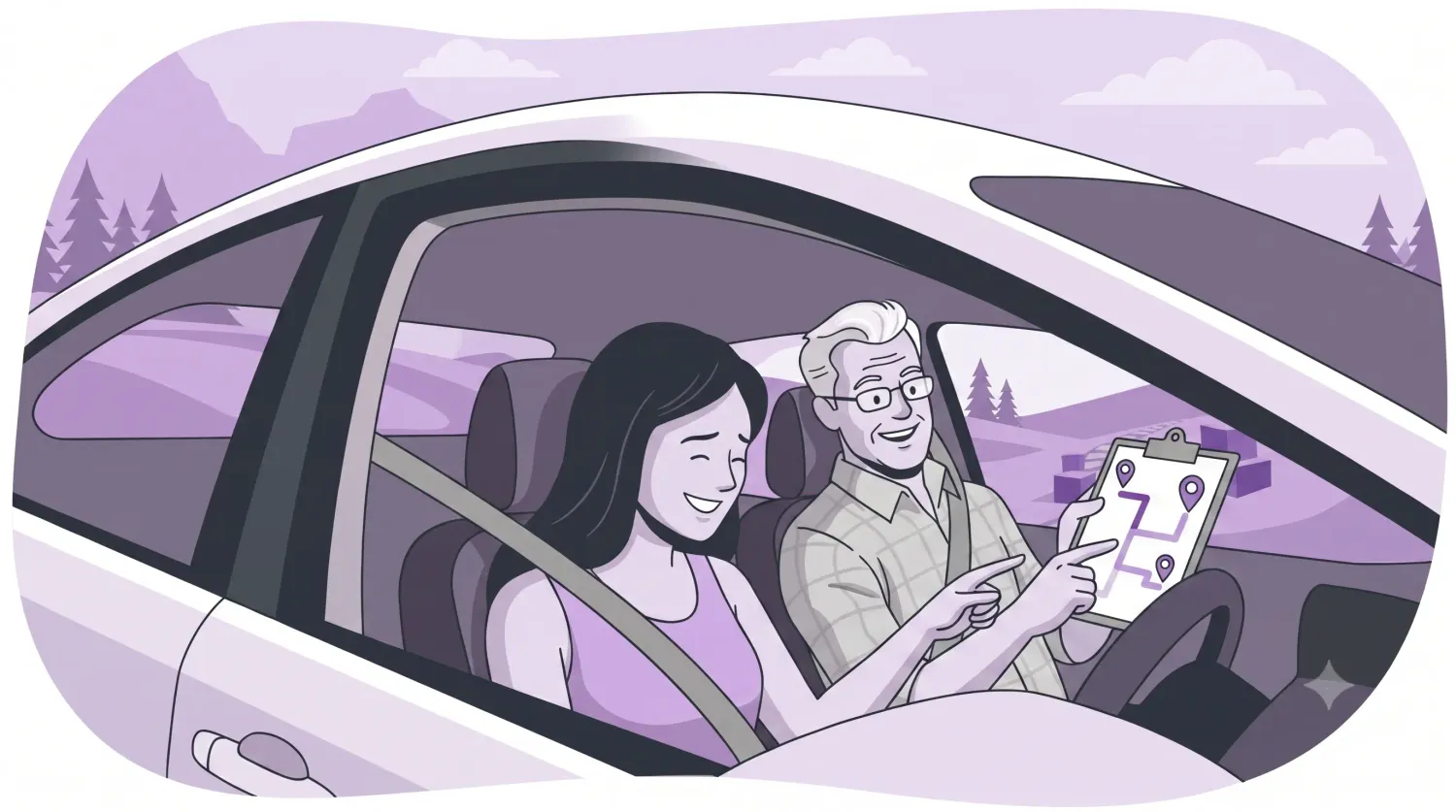
None of these signs mean you've done private practice wrong, or that your teenager isn't progressing. They simply mean that some parts of learning to drive genuinely benefit from a trained, neutral perspective, while others are ideally suited to relaxed time with someone they trust. Recognising which is which, and adjusting accordingly, is exactly the kind of good judgement that helps a learner progress steadily rather than getting stuck.
Working Together, Not Separately
The best outcomes I see come from private practice and lessons working as a genuine team, each doing what they're best suited for. If you're ever unsure whether something is a "practise together" issue or a "bring it to a lesson" issue, just ask me. I'd always rather have that quick conversation than have you spend weeks stuck on something that a single focused lesson could resolve.
If it turns out a change of instructor, or a first instructor altogether, feels like the right next step, it's worth knowing what to actually look for: Choosing the Right Driving Instructor for a Nervous Learner.
If you'd like to talk through how private practice is going, or want some guidance on what to focus on next, feel free to get in touch. No pressure, no obligation. Just a conversation about what feels right for you both.
Recent Posts
Subscribe now
If you'd like our newest guides and local road updates sent directly to you, please enter your details in the form to subscribe.
BLOG CATEGORIES
WHY CHOOSE US
Steve Paddy Driving School provides professional, patient automatic driving lessons across Chester, Ellesmere Port, and the surrounding areas. We specialise in helping nervous and anxious learners build lasting confidence by delivering a stress-free, supportive journey to real driving freedom.
Created with systeme.io | © Steve Paddy 2026 All Rights Reserved | Privacy policy | Cookie Policy | Terms & Conditions